


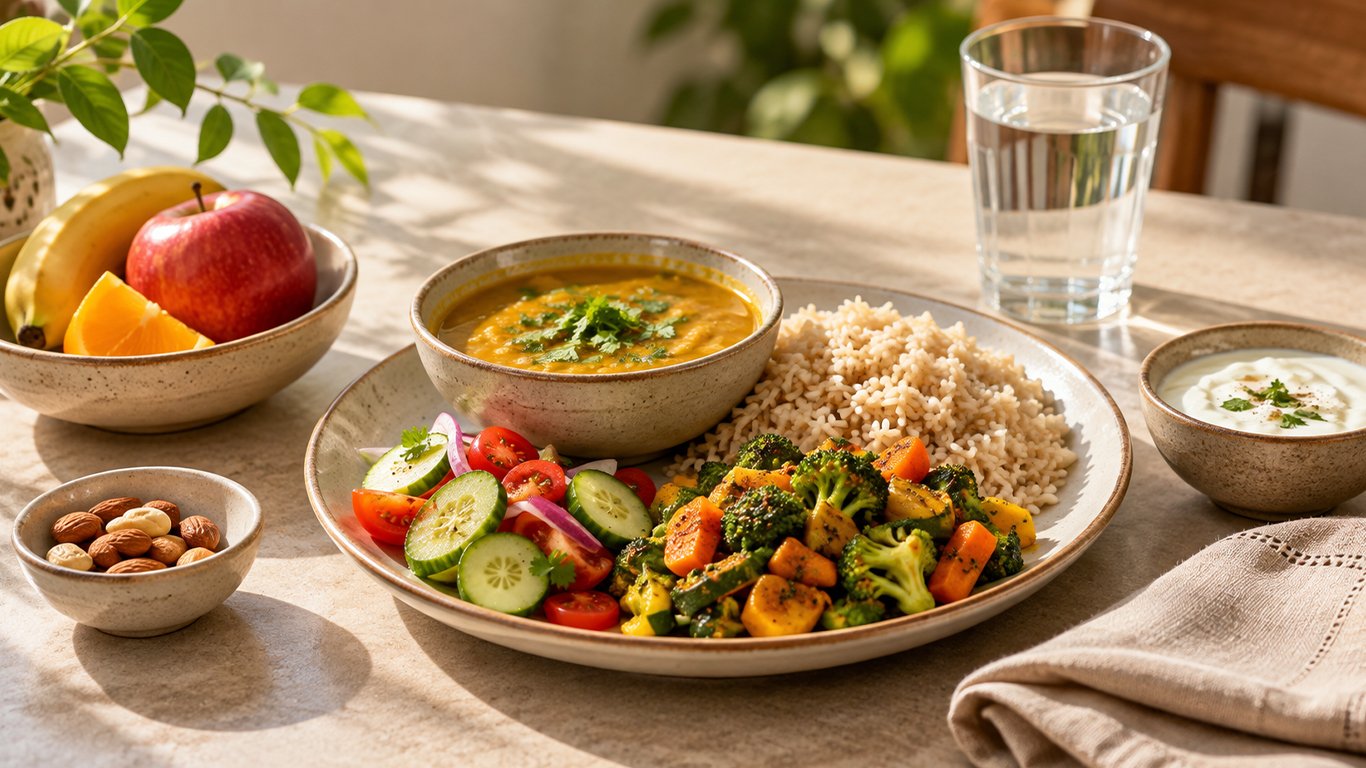
Good health begins with the everyday choices we make. From the food we eat to the quality of our sleep, small lifestyle habits can influence how we feel, how much energy we have, and how well our bodies function.
Healthy eating does not mean following restrictive diets, avoiding every favourite food, or spending a fortune on special ingredients. It is about building a balanced, sustainable approach to nutrition that fits your lifestyle.
Whether you want to improve your eating habits, maintain a healthy weight, or simply feel better throughout the day, understanding the basics of nutrition is a useful place to start.
1. Build Your Meals Around Balanced Nutrition
A balanced diet provides the body with the nutrients it needs to function properly. These include carbohydrates, protein, healthy fats, vitamins, minerals, and fibre.
Instead of focusing on eliminating entire food groups, aim to include a variety of foods in your daily meals.
A practical approach is to fill approximately half your plate with vegetables and fruit, one-quarter with protein-rich foods, and one-quarter with whole grains or other carbohydrate sources. This is a flexible guide, not a strict rule for every person or meal.
For an Indian diet, balanced meals might include:
- Rice or roti with dal, vegetables, and curd.
- Idli or dosa with sambar and vegetables.
- Paneer or tofu with whole-wheat roti and salad.
- Eggs with whole-grain toast and fruit.
- Chickpeas or rajma with rice and vegetables.
The goal is variety, balance, and consistency rather than perfection.
2. Include Protein in Your Daily Diet
Protein supports muscle maintenance, tissue repair, and several essential functions in the body. Including protein-rich foods in meals can also help you feel satisfied after eating.
Good sources of protein include eggs, fish, chicken, milk, curd, paneer, tofu, lentils, beans, and chickpeas.
You do not necessarily need expensive protein products to eat well. Many familiar Indian foods can contribute to your daily protein intake.
Your individual requirements depend on factors such as age, activity level, health conditions, and personal goals.
3. Eat More Fibre-Rich Foods
Fibre supports digestive health and can help with bowel regularity. Fibre-rich foods may also help you feel fuller for longer.
Useful sources include:
- Vegetables such as carrots, beans, spinach, and broccoli.
- Fruits such as apples, oranges, guavas, and pears.
- Whole grains such as oats and whole-wheat products.
- Legumes such as lentils, beans, and chickpeas.
- Nuts and seeds.
Increase fibre gradually and drink enough fluids to help your digestive system adjust comfortably.
4. Reduce Added Sugar Without Making Food Miserable
Frequent consumption of foods and drinks high in added sugar can make it harder to maintain a balanced diet. Sugary drinks, sweetened tea or coffee, packaged desserts, and confectionery are common sources.
You do not have to change everything overnight. Start with manageable adjustments:
- Choose water more often instead of sugary drinks.
- Gradually reduce the sugar added to tea or coffee.
- Check food labels for added sugars.
- Keep fruit available when you want something sweet.
- Make desserts an occasional choice rather than an automatic daily habit, if that suits your needs.
Healthy eating should be sustainable. A flexible approach is generally easier to maintain than an unnecessarily restrictive one.
5. Stay Hydrated Throughout the Day
Water helps regulate body temperature, transport nutrients, and support normal bodily functions. Your fluid needs can vary depending on the weather, physical activity, diet, and health status.
In a warm climate, such as much of India, it can be especially useful to pay attention to fluid intake during hot weather and exercise.
Carry a water bottle, drink regularly, and include water-rich foods such as fruit and vegetables. Water is a good everyday choice for most people.
People with medical conditions that require fluid restrictions should follow their healthcare professional’s advice.
6. Pay Attention to Portion Sizes and Hunger Cues
Healthy eating is not only about which foods you choose; the amount you eat also matters.
Try eating slowly, noticing when you begin to feel satisfied, and avoiding distractions when possible. Serve a reasonable portion first and take more if you are still hungry.
Avoid treating every meal as a test of willpower. Appetite changes with activity, sleep, stress, and other factors. The aim is to develop a comfortable and consistent relationship with food.
7. Make Sleep and Physical Activity Part of Your Wellness Routine
Nutrition is only one part of overall wellbeing. Sleep, movement, stress management, and social connection also matter.
Most adults benefit from around seven to nine hours of sleep each night, although individual needs vary. Regular physical activity can support cardiovascular health, strength, mood, and general fitness.
You can start with simple habits:
- Walk regularly and gradually increase activity as appropriate.
- Include strength-building activities suited to your abilities.
- Maintain a consistent sleep schedule.
- Take short breaks from prolonged sitting.
- Make time for activities that help you manage stress.
Small changes repeated over time can be more useful than ambitious routines that are difficult to sustain.
8. Be Careful With Fad Diets and Wellness Claims
Nutrition advice is everywhere, but not every trend is supported by good evidence.
Be cautious of diets that promise dramatic weight loss in a few days, supplements advertised as miracle solutions, or plans that require you to eliminate multiple food groups without a clear medical reason.
Before taking supplements or making major dietary changes, consider your nutritional needs and consult a qualified healthcare professional when appropriate.
People with diabetes, kidney disease, food allergies, digestive disorders, or other medical conditions may need individualised dietary guidance.
A Simple Daily Nutrition Checklist
You do not need a complicated meal plan to get started. Use this checklist to build more consistent habits:
- Include a variety of vegetables and fruits.
- Eat protein-rich foods throughout the day.
- Choose whole grains and other fibre-rich foods regularly.
- Drink water throughout the day.
- Limit frequent consumption of sugary drinks.
- Get regular movement and adequate sleep.
- Choose habits you can maintain over the long term.
Use the checklist as a guide, not a reason to feel guilty when a day does not go to plan.
Conclusion
Improving nutrition and wellness does not require a complete lifestyle transformation. It starts with everyday decisions: choosing balanced meals, including enough variety, staying hydrated, moving regularly, and getting sufficient rest.
There is no single diet that works perfectly for everyone. Your needs, preferences, culture, budget, and health all play a role in determining what works best for you.
Focus on progress rather than perfection. Sustainable habits, built gradually, can help create a healthier foundation for the long term.
Leave a Reply
We would love to hear what you think.